Can A Snail Kill A Betta Fish. Some bettas really love to eat snails, some do it only if hungry, some do not eat them at all (but may learn it later). However, this is very rare and is not something you need to.
Can Snails Kill a Betta Fish?Let Find Out! Fish Caring Basics from fishcaringbasics.com Observing a Betta
Bettas are also known also as the Siamese fighting fish. It's native to Southeast Asia, including Cambodia, Laos, Myanmar, Thailand, and Vietnam. It is an aquatic fish that likes aquascapes with freshwater, with high-quality gravel substrate. It is noted for its bright colors and is an ideal pet for novices.
Being observant of a betta
Being able to observe a betta's behavior will help you understand its behaviour. Bettas are naturally attracted to the world that surrounds them. Any change that is sudden will draw their attention. They also have the habit of looking. They can be seen staring at any thing that is either food or a threat.
It is possible to observe an betta when you place it within a aquarium with another betta. Make sure that you keep both the temperature and level of lighting comparable. If you are able, watch the fish for 30-60 minutes each day. A classical playlist can aid. When watching a betta it's essential to search for patterns of behavior that suggest they are content and healthy.
A healthy fish will swim within the tank daily routine, engaging with its environment. It may be a lazy swimmer or move quickly from one side of the tank to the other. However the betta who is sick may remain in the bottom of the tank and show no sign of joy.
The behavior of a betta can be determined by the kind of stress it feels. If the fish perceives a threat, they may respond with aggression. This is their way to dispel the threat. They can flail at other creatures or even their reflection. However, while this is stressful for your betta's wellbeing, short episodes that flare up can be controlled.
In the wild, I was able to see a wild beta
A visit to a wild betta may be an amazing experience. They are extremely fascinated and seek to understand their environment. While they're easy to take care of However, you might be shocked at their more unusual actions. Here are a few ways you could be able to tell when you spot one in its natural environment:
Bettas are predators and are typically prey for other animal species, making them always aware of movements surrounding them. This implies that they are extremely alert, but may stay still as they watch. While you're looking at the fish, keep an eye out for any aggression that you observe.
If you're keen to observe wild bettas, you'll need to know their habitat. Bettas are found in heavily arranged habitats, so they don't require a lot of space. They prefer to spend most of their time hiding in vegetation. Their fins are small, which makes them difficult to discern. Additionally, their muddy brown color makes them difficult for you to notice.
Another sign of ageing Bettas is the feeling of lethargy. Bettas that are young are likely to be active, but if you notice that they seem tired, they might be showing signs of illness. They may also not be as interested in food as they once were. You will also notice reductions in their wiggle dances.
Watching a captive betta
Be able to observe a betta at a distance is an ideal method to teach learners about the biology behind bettas. Bettas tend to prefer tropical water temperatures of 72 to 85 degrees F. They are troubled by cold water as it makes them lathargic and suppresses their immune system. It is also a stressor to change the water frequently, which stresses them out. Their name is derived in their Malay"betah," which means "betah," which means "fighter," referring to their resilience to water inaccessible to them.
You can observe a beta's behavior from an aquarium to discover what makes it appear to behave better or in the same way. It is also possible to examine the reactions of bettas to various environments, like rock formations or changes in temperature. It is also possible to ask for your pupils to perform experiments of their own. They can predict how fish behave in different situations.
Another good way to find out about bettas, is to observe their eating habits. Bettas prefer floating pellets over fish flakes. They must also come up to the surface when they need to recharge their labyrinth and they don't enjoy the deep bottom.
Bettas are usually housed in tiny aquariums, but there are some things to consider when caring for one. Bettas are particularly at risk of many common freshwater fish illnesses. The most common are ich and White Spot Disease, caused by the Ichthyophthirius multifiliis parasite, which occurs in numerous freshwater aquariums for fish. If this parasite infects the body of a fish, it will cause white spots on its body which could be noticeable. Fish may also clamp its fins or hang listlessly at the surface of the water.
Feeding a better
Bettas need access to the water to breathe. The labyrinth organ in the body of the betta is able breathe oxygen into the air. It's not necessary to purchase an air compressor to keep your betta comfortable and healthy. Additionally, they require space to hide from the sun and swim. The bigger the tank, the better.
Bettas can consume up to three pellets per time they take a meal, so it's important to to prepare enough food. It's also crucial to take the time to soak dry food items prior. In feeding your beta the appropriate quantity is vital to its health and well-being.
Overfeeding your betta will cause digestive problems. If your betta's food intake is too excessively, they'll suffer from constipation and can result in several health problems. Additionally, your betta may seem depressed and may spend the majority of the day in a sleepy state. This may indicate that your betta is suffering from SBD or is eating too much.
When you are choosing what food to treat your baby betta to, make sure you get food that is high in nutrients and is free contaminants. Bloodworms and brine shrimp are prevalent in ponds and pools and are a fantastic alternative to feeding your betta.
Monitoring a betta while in captivity
Inspecting a betta's tank can be a fascinating experience. You can learn about what the animal's habits are and the way it responds to situations. You can also draw the face of a beta and explain its features, dimensions, and colors. You can compare a male and female betta and study how they feed. In addition, you can be able to observe how various types of food can affect the behavior of bettas.
Bettas don't live in large pools. They are much more comfortable in small, enclosed areas. Their habitat is a shallow body of water that is rich in vegetation. They spend most times of their lives hidden within the foliage. That means they're in constant contact with dirt and leaves.
Bettas are native to shallow, watery habitats of Southeast Asia. This means they are used to living in very small amounts of low oxygen water. Bettas have evolved to survive in these situations by developing the special organ known as the labyrinth. This organ allows them to breathe straight from their surface. Their diet is based on insects as well as their larvae.
Bettas are peaceful, but they can also fight with other fish. If you don't want to disrupt the peaceful life of your male betta then it's best to place it in an isolated tank. A male Betta will most likely attack another male who is close.
Watching a betta move in the wild
A betta's observation in its natural habitat is an excellent approach to observe how the animal behaves in the wild. Bettas are territorial animals. They will fight to establish their territories. No matter if female or male bettas will often ram or swim over other fish. They can also bite the fins off other fish. To keep themselves safe Bettas require a comfortable area to hide. A cave that is affixed to the water or a green corner can be the ideal place to be.
It is possible to observe the behavior of a betta and see how content or stressed it is. If it is stressed, it might spit, flake its fins or else react at your presence. If the fish is stressed or bored, they may even be aggressive.
Betta is an ornamental fish that is well-known throughout the world. Large fins attract attention. The nature of the fish's aggression makes them known as "fighting fish." Observing their behavior will help you determine their overall health . It will also help you determine how they feel about any fish you see fed.
The foremost thing to remember while watching a Betta in the wild is to look at the animal with keen attention. Bettas come in a variety colors of which the most well-known being blue, black, yellow white, albino, and clear. Male bettas are generally more bright than female. They have fins that vary in length, and males usually have longer fins than females. They also can have a distinct tail that can turn brown.
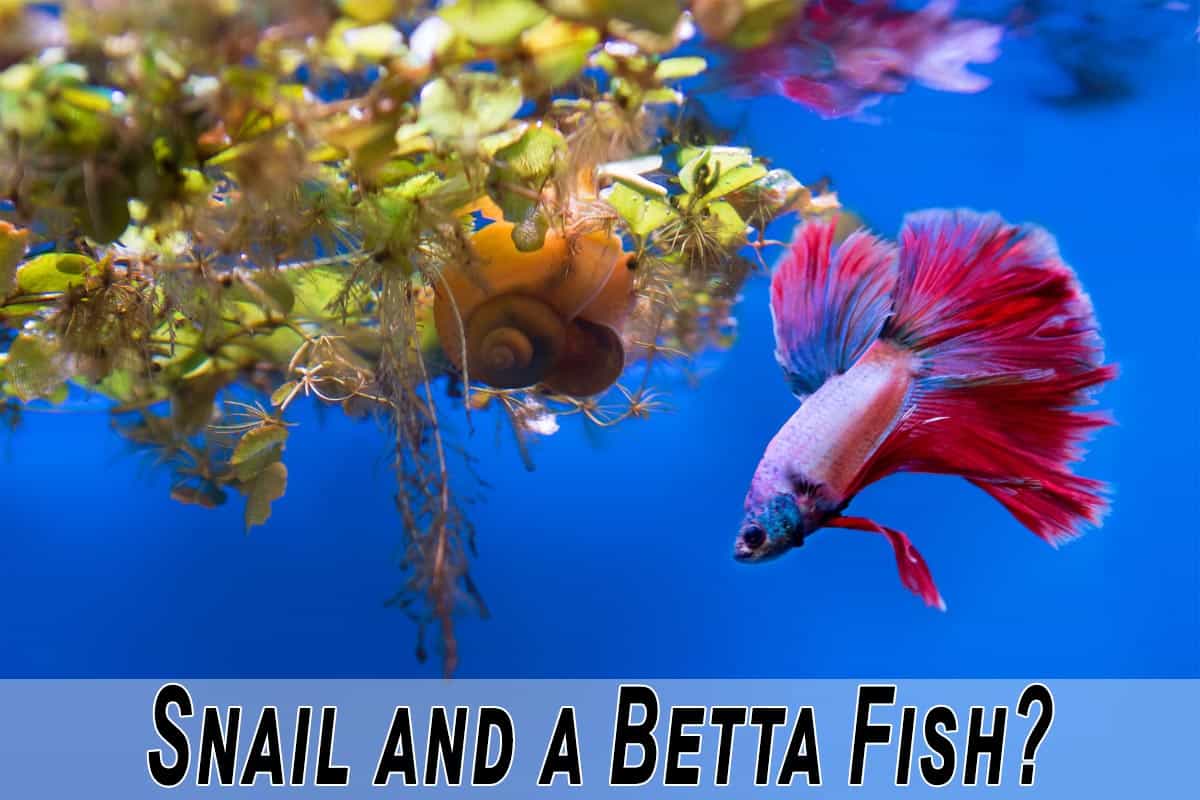
Yes, you can put snails with bettas. Your betta fish and a snail can be housed together safely. Betta fish are strong individuals and they differ in.
Your Betta Fish And A Snail Can Be Housed Together Safely.
While bettas can and do kill snails, this usually only happens when the betta is especially hungry or aggressive. They do not get lonely, nor do they thrive in conditions that many other fish require. One of the best ways to reduce the chance of your betta attacking your snails is to add a lot more decorations to your tank, especially plants.
However, This Is Very Rare And Is Not Something You Need To.
Yes, a betta will kill a snail. It is possible for a snail to kill a betta fish although it is not common. They swim at the bottom of the.
Some Bettas Really Love To Eat Snails, Some Do It Only If Hungry, Some Do Not Eat Them At All (But May Learn It Later).
If your betta won’t eat the pellet or food, it will make a good meal. Snails eat algae, food that is lying on the bottom of the tank, dead plant matter, and other things in the tank to help keep it clean. Feeding a snail in a betta tank can be tricky, but with a little bit of preparation and some patience, you can have a happy snail!
Yes, A Betta Can Kill A Mystery Snail, But It’s Less Likely Than With Other Snails Because Of The Snail’s Size And Its Operculum.
More likely for a scavenger. But because of the size difference between the betta and the. First, make sure your tank is large enough for the.
Betta Fish Are Strong Individuals And They Differ In.
I believe you.my snail had my betta pinned against the side of the tank. What type of snails can live with a betta? Yes, assassin snails and betta fish do coexist very well in tanks.
Share
Post a Comment
for "Can A Snail Kill A Betta Fish"

Post a Comment for "Can A Snail Kill A Betta Fish"